



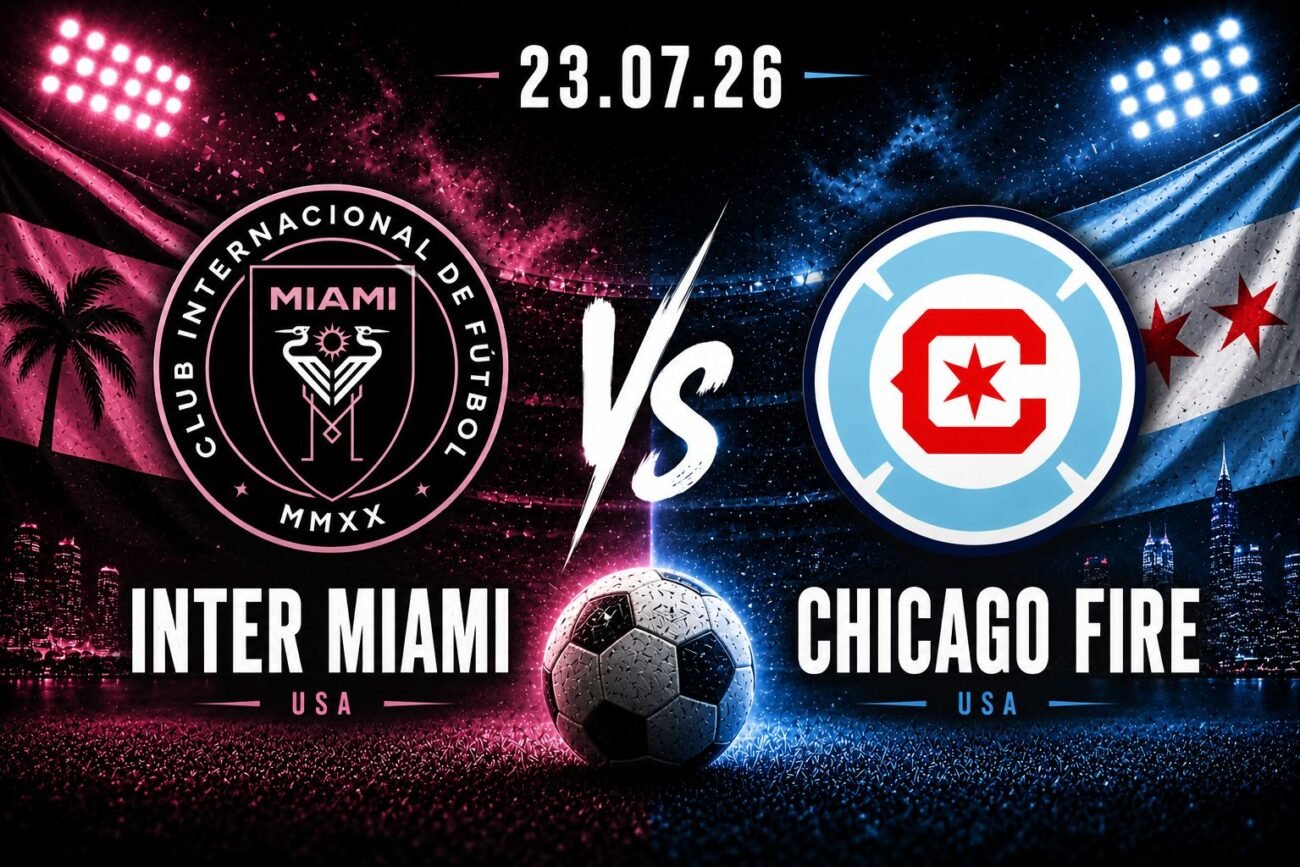
There was a version of Wednesday night at Nu Stadium that had been circled on calendars for weeks. Lionel Messi against Robert Lewandowski, two of the sport’s defining forwards of the last two decades sharing a pitch in South Florida, the kind of moment MLS has been building toward with every marquee signing since Messi first arrived in Fort Lauderdale. That version of the match isn’t happening. Messi won’t play, and neither will Rodrigo De Paul, and the reason why says as much about the state of modern football as anything that happens on the field this week.
Why Messi Isn’t Playing
Argentina’s World Cup campaign ended in painful fashion just days ago, a final defeat that Messi and his teammates are still processing. FIFA and FIFPRO have been pushing a joint player welfare initiative focused on rest and recovery after major tournaments, with a recommendation that finalists get at least three full weeks off before returning to club duty. Inter Miami head coach Guillermo Hoyos didn’t dress it up when asked about the timeline. “The World Cup ended just hours ago, and what they need most right now is to rest, to be with their loved ones back home and try to make the most of all this,” he said. Messi has been given permission to fly home to Rosario rather than report straight back to training, and De Paul is following a similar path.
It’s worth remembering how good Inter Miami have been without needing to lean on Messi for every match this season. They arrive at this game second in the Eastern Conference on 31 points, riding a four-match winning streak, and they have scored in every single game since mid-March. That’s a remarkable run of attacking consistency for any team, let alone one missing its most famous player for a chunk of it. The flip side of that story is defensive fragility. Miami concede goals at a rate that keeps their matches entertaining but rarely comfortable, and that’s the opening Chicago will be looking to exploit.
Lewandowski’s Chicago Story Is Still Being Written
On paper, no signing this MLS season carried more weight than Chicago’s capture of Robert Lewandowski on a Designated Player deal after his Barcelona contract expired. Gregg Berhalter has been chasing this deal for close to a year and a half by his own admission, and having finally landed one of the most prolific strikers in modern football, Wednesday’s clash against Miami looked like the ideal stage to unveil him against the league’s biggest star. Instead, Lewandowski gets his crack at a marquee MLS audience with Messi watching from Argentina rather than from the opposite penalty area.
That shouldn’t obscure how dangerous this Chicago side already is without needing a Messi rivalry narrative to sell tickets. The Fire sit third in the East on 26 points with a game in hand on almost everyone above them, and they arrive unbeaten in three matches. More tellingly, they carry the meanest defense of any of the conference’s in-form sides, having shipped just 16 goals all season. Hugo Cuypers leads the scoring column with 13 goals, Philip Zinckernagel has chipped in five goals and six assists as the creative hub, and Jonathan Bamba adds pace and directness out wide. This is a team built on defensive solidity first, with Lewandowski now arriving to sharpen an attack that already broke the club’s single-season goal record last year.
The Tactical Matchup
At first glance, this looks like an obvious clash of styles. Miami want to play through the thirds quickly and create overloads that their absent star normally orchestrates, while Chicago have made their name this season on discipline out of possession and a low error count at the back. With Messi and De Paul both missing, Miami’s midfield created a gap in orchestration that hasn’t been fully addressed. Telasco Segovia has been the next best creative outlet with six assists on the year, but asking him to replicate the kind of chance creation Messi provides on a weekly basis is a big ask against a Chicago backline that has been genuinely difficult to break down all season.
If football were played on statistics alone, this would look close to a coin flip. Chicago’s defensive numbers suggest they can frustrate most attacks in this league, but Miami’s attacking output, even without their two biggest names, has been good enough to score in every match for months. The absence of Messi doesn’t turn Miami into a bad team. It turns them into a team that has to work harder for the same result, which against a Fire side unbeaten in three and building belief around a landmark signing, could be enough to tip a tight game the visitors’ way.
You only have to watch Chicago for twenty minutes this season to notice how patient Berhalter has made them out of possession. They don’t chase the game recklessly, they wait, and they trust their structure. Against a Miami side that will be missing its most reliable source of individual moments, that patience could be the difference.
Prediction
Expected score: Inter Miami 1-1 Chicago Fire
Confidence: Low to Medium
Miami’s home advantage and their remarkable scoring run keep them competitive, but the absence of both Messi and De Paul removes enough creative quality that Chicago’s meaner defense and growing confidence should be enough to leave South Florida with a point.
Home Win: 38%
Draw: 33%
Away Win: 29%
BTTS: 58%
Over 2.5 goals: 52%
The real story here may not be decided on the scoreboard at all. It’s whether Chicago’s new superstar can make his mark on a night when the spotlight was originally meant to belong to someone else entirely.